What is a Pallet Truck?

What is a Pallet Truck?

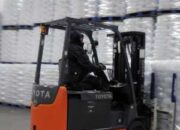
A pallet truck is a specialized type of forklift designed for transporting and lifting palletized goods. It is commonly used in warehouses, factories, ports, and other locations where packaged goods on pallets need to be moved.

A pallet truck typically consists of a sturdy frame, large wheels for easy movement on smooth surfaces, and a lifting mechanism attached to the frame. The lifting mechanism can be operated manually or electrically and is used to lift the palletized goods from the floor and move them to the desired location.

There are various types of pallet trucks, including electric pallet trucks, electric rider pallet trucks, gasoline or diesel pallet trucks, automated pallet trucks, and manual pallet jacks. They are often used to increase productivity and reduce manual labor in the process of transporting and storing goods.

Different Types of Pallet Trucks

There are several different types of pallet trucks, including:

  1. Electric Pallet Trucks: These are pallet trucks powered by electricity, usually using batteries. Electric pallet trucks operate smoothly, without noise and air pollution, making them suitable for areas that require quiet and emission-free operations.
  2. Electric Rider Pallet Trucks: This is an upgraded version of electric pallet trucks that allows the operator to sit in a control cabin for convenient and easy operation and control of the truck.
  3. Gasoline or Diesel Pallet Trucks: These are pallet trucks that use internal combustion engines and run on gasoline or diesel fuel. Gasoline or diesel pallet trucks often have the ability to transport and lift heavier loads compared to electric trucks and are suitable for areas that require higher lifting power.
  4. Automated Pallet Trucks: These are automated pallet trucks that can move, position, and perform material handling tasks without the need for human operators.
  5. Manual Pallet Jacks: These are pallet trucks operated by human force and are typically used for lifting and moving light loads over short distances. Manual pallet jacks are simple, compact, and cost-effective.

Additionally, there are other types of pallet trucks available, such as stand-up pallet trucks, air-powered pallet trucks, electric-powered pallet trucks, or rough-terrain pallet trucks, depending on the specific needs and requirements of the job or industry.

Key Features of a Pallet Truck

The main features of a pallet truck include:

  1. Frame: A pallet truck has a sturdy frame, usually made of steel, to withstand the load and impacts during the transportation of goods.
  2. Wheels: Pallet trucks are equipped with large wheels to facilitate easy movement on the smooth floor of warehouses or factories. The wheels can be either push wheels or drive wheels, depending on the type of pallet truck.
  3. Lifting Mechanism: The lifting mechanism is the main part of a pallet truck, mounted on the frame, and used to lift and lower palletized goods. The lifting mechanism can be manually or electrically controlled, and it usually has a defined maximum lifting height.
  4. Forks: The forks are part of the lifting mechanism and can be adjusted in width to accommodate different sizes of pallets. They can be adjusted to hold the pallet or release it after lifting.
  5. Power Source: Pallet trucks can be powered by electricity, including batteries or by internal combustion engines, such as gasoline or diesel.
  6. Control System: Pallet trucks are often equipped with a control system that allows the operator to adjust the lifting height, move, position, and perform material handling tasks accurately and safely.
  7. Safety Features: Pallet trucks are typically equipped with safety features such as brakes, warning horns, signal lights, and other protective devices to ensure the safety of the operator, employees, and goods during transportation.
  8. Lifting Capacity: Pallet trucks have the ability to lift and transport different load capacities, ranging from a few hundred kilograms to several tons

Leave a Reply

Your email address will not be published. Required fields are marked *

Related posts

  • bao-tri-xe-nang-dien How to clean and maintain electric forklifts

    How to clean and maintain electric forklifts During long-term use, electric forklifts will accumulate a lot of dirt, which will affect the vehicle’s ability to operate, not meeting the factory’s 5S regulations, so cleaning becomes even more important. Forklifts are frequently overlooked. Each enterprise will add related regulations and requirements on cleaning and maintaining forklifts […]

  • cau-tao-xe-nang-hang-chay-dien Structural characteristics and technical characteristics of electric forklifts

    Structural characteristics and technical characteristics of electric forklifts   An electric forklift is a loading and unloading and handling vehicle powered by a DC power source (battery). According to foreign statistics, the production of electric forklift trucks in Japan has exceeded one-third of the total number of forklifts. In some Western European countries such as […]

  • volvo-diesel Professional Diesel Engine Installation and Replacement Service for Forklifts

    Professional Diesel Engine Installation and Replacement Service for Forklifts Samcovina Corporation provides professional diesel engine installation and replacement services for various types of forklifts. Our experienced team of technicians uses genuine parts to ensure optimal performance for your forklift. 1. Professional Diesel Engine Installation and Replacement Service – Samcovina offers professional diesel engine installation and replacement services for forklifts. – Our team of experienced technicians is highly trained in diesel engine installation and replacement. – We use genuine parts to ensure optimal performance for your forklift. – With years of experience in the forklift assembly and maintenance industry, Samcovina is proud to be a leading provider of diesel engine installation and replacement services. Our technicians not only have deep technical knowledge of various diesel engines but also practical experience in assembling and maintaining forklifts. – When you use our services, you can rest assured that your forklift will be equipped with a high-quality diesel engine that operates smoothly. We commit to using genuine parts from reputable manufacturers to ensure optimal performance for your forklift. – Our technicians are trained to work efficiently and quickly. We will install or replace the diesel engine in your forklift accurately and safely. We always adhere to safety procedures and ensure that the job is done according to standards. In addition, we also provide maintenance and repair services for diesel engines in forklifts. Our technicians can inspect and identify technical issues, both small and large, and repair them quickly and effectively. 2. Why Replace Diesel Engines in Forklifts? – Engine lifespan: Diesel engines in forklifts have a limited lifespan and need to be replaced after a certain period of use. Over time, internal components wear out, affecting the performance of the forklift. – Decreased engine performance: Old diesel engines may not operate efficiently as before, reducing the overall performance of the forklift. Using an engine that doesn’t function properly not only increases fuel consumption but also causes other issues such as difficult starting, shaking, and loud noise. – Cost savings on maintenance and repairs: Replacing the old diesel engine will help save costs on future maintenance and repairs. A new engine will operate more stably, minimizing breakdowns and maintenance needs, thus saving costs for your business. – Ensuring safety for operators and the surrounding environment: New diesel engines meet safety standards and environmental protection requirements. New engines are designed to reduce pollutant emissions, protecting the health of operators and minimizing negative impacts on the environment. 3. Professional Diesel Engine Installation and Replacement Process – Inspection and evaluation of the forklift’s condition: Technicians inspect the overall condition of the forklift to determine whether installation or replacement of the diesel engine is necessary. Through this inspection, technicians can determine if replacement is needed. – Removal of the old engine: Technicians remove the old diesel engine from the forklift. This process requires precision and technical expertise to avoid damaging other parts of the vehicle. – Preparation and installation of the new engine: Using genuine parts, technicians install the new diesel engine into the forklift. Using genuine parts ensures compatibility and performance of the engine. – Post-installation inspection and adjustment: After installation, technicians inspect and adjust the engine to ensure stable operation and optimal performance. Post-installation inspections help identify potential issues early on for timely repairs. 4. Benefits of Using Our Services – When you choose our diesel engine installation and replacement services for your forklifts, you will enjoy significant benefits. – We have a team of professional technicians with expertise in this field. With their knowledge and skills, they ensure accurate and efficient installation or replacement work. You can trust that the job will be completed professionally. – We commit to using genuine parts and engines to ensure optimal performance for your forklifts. Only using high-quality components helps increase the lifespan of the forklift and minimize unexpected breakdowns. – Our diesel engine installation and replacement process adhere to manufacturer standards. This ensures that the work is done safely and effectively. You can trust that your forklift will operate smoothly.

  • Guide to Choosing Container Handling Forklifts

    Guide to Choosing Container Handling Forklifts In the modern logistics and warehousing industry, container handling forklifts play an indispensable role. These machines optimize the loading and unloading processes, significantly saving time and labor. This article will guide you on how to the most suitable container handling forklift for your business needs, ensuring operational efficiency and safety. Overview of Container Handling Forklifts Container handling forklifts are specialized equipment designed to lift, lower, and transport containers in ports, warehouses, and logistics centers. They are capable of handling heavy containers, facilitating quick and efficient cargo operations. Common types of container handling forklifts include: – Reach Stackers – Heavy Forklifts – Straddle Carriers The primary advantages of using container handling forklifts include increased productivity, reduced risk of cargo damage, and optimized storage space for containers. Factors to Consider When Choosing a Container Handling Forklift 1. Lifting Capacity: This is the most critical factor. You need to choose a forklift with a lifting capacity that exceeds the weight of the heaviest container you typically handle. 2. Maximum Lift Height: Determine the maximum stacking height for containers in your warehouse to select a forklift with appropriate lifting capabilities. 3. Engine Type: There are three main options—electric, diesel, and gas. Each type has its own pros and cons regarding operating costs, work capabilities, and environmental impact. 4. Size and Weight of the Forklift: Ensure that it fits within your workspace constraints and complies with your warehouse floor’s load-bearing capacity. 5. Safety Features: Prioritize models equipped with advanced safety systems such as collision sensors, cameras for visibility, and overload warning systems. 6. Maneuverability: Choose a forklift with a small turning radius and flexible movement capabilities to maximize efficiency in tight spaces. 7. Environmental Standards: Opt for models that meet the latest emission standards to minimize environmental impact and comply with regulations. Assessing Usage Needs Before making a decision, conduct a thorough assessment of your usage needs: – Volume and Frequency of Work: Determine how many containers you need to handle daily along with their average weight. – Working Environment: Consider whether your operations are indoors or outdoors as well as the surface type (concrete, asphalt, or dirt) to choose suitable tires and engine types. – Operating Costs & Maintenance: Calculate fuel costs, routine maintenance expenses, and repair costs for an overview of long-term financial implications. Comparing Brands and Models Reputable brands in the container handling forklift market include Kalmar, Hyster, Konecranes, and Liebherr. Each brand offers unique advantages in technology, durability, and after-sales service. When comparing different models of container handling forklifts pay attention to: – Work performance – Reliability & lifespan – Fuel consumption – Maintenance costs – Safety features & operator comfort Prices for container handling forklifts can range from several thousand dollars to over a million dollars depending on their capacity and features. Steps for Selecting a Container Handling Forklift 1. Create a List of Specific Requirements: Clearly define your needs regarding capacity, lift height, working environment, and budget. 2. Research & Compare Models: Gather information from manufacturers’ websites; read reviews from users as well as industry experts. 3. Consult Experts: Reach out to dealers or consultants for detailed guidance on suitable models. 4. Inspect & Test Drive Forklifts: If possible, operate different models firsthand to evaluate performance and driving comfort. Usage & Maintenance Tips for Container Handling Forklifts 1. Train Operators: Ensure that operators receive comprehensive training on driving techniques and safety protocols. 2. Adhere to Safety Regulations: Establish strict safety procedures within your operational area. 3. Schedule Regular Maintenance: Develop a detailed maintenance plan adhering strictly to schedules for optimal performance. 4. Monitor for Abnormal Signs: Train staff to recognize signs indicating maintenance or repairs are needed such as unusual noises or oil leaks. Trends in Container Handling Forklifts The forklift industry is witnessing numerous innovations: – New Technologies: Integration of AI (Artificial Intelligence) and IoT (Internet of Things) enhances operational efficiency. – Clean Energy: A growing trend towards electric or hybrid forklifts reduces emissions while lowering operating costs. – Smart Management Systems: Incorporation of fleet management software helps track performance metrics effectively while planning maintenance schedules. Conclusion Choosing the right container handling forklift is crucial for ensuring long-term operational efficiency within your business. By carefully considering factors such as lifting capacity, working environment conditions, operating costs along with technological trends; you can make an informed decision that best suits your needs. Remember that investing in high-quality container handling equipment will yield long-term benefits in productivity,safety,and cost savings!

  • dieu-khien-xe-nang Electric forklift control circuit board repair service

    Electric forklift control circuit board repair service Electric forklift control board repair service is one of the important services for businesses using electric forklifts. The control board is one of the most important components of an electric forklift and it ensures safe and efficient operation of the vehicle. Problems with the control board can be […]