Choose an electric or diesel forklift

Choose between electric forklifts or diesel forklifts

Compare and choose electric forklifts and diesel forklifts
Each type of forklift will be used in a different environment. Choosing the right type can improve warehouse operations and reduce accidents. Otherwise, it will affect the performance improvement and accident rate. In fact, both electric forklifts and diesel forklifts have their own advantages and disadvantages.

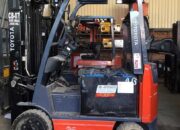
Let’s talk about diesel forklifts first:
Advantages of diesel forklift trucks: Diesel engines have the characteristics of large capacity and can adapt to a variety of working environments, including in some harsh environments. In addition, the fuel delivery is always quick.

Disadvantages of diesel forklift trucks: Diesel engines are relatively noisy and emit large pollutant emissions. The engine needs regular maintenance, if it fails, it will be more troublesome, if it is operated indoors, it will affect the air quality in the car. Structurally, the vehicle will be larger to accommodate the engine, less maneuverable, and require more space to turn around, which is not possible in a small space.

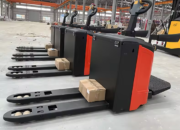
for electric forklift
Advantages of electric forklifts: When working, electric forklifts do not emit polluting emissions, the engine runs relatively smoothly. Maintenance is convenient, maintenance is relatively simple and convenient. When working, it can be used indoors or in small spaces. Loading and unloading is also simpler than a diesel forklift, in general the vehicle can be operated flexibly, the width is from 2.7 meters to 2.9 meters.

Disadvantages of electric forklifts: the maximum capacity is usually smaller than that of diesel forklifts, need to disconnect and charge when the power is out, the time to fully charge is long, 10-14 hours. Basically use it up during the day and charge it up at night. If you forget to charge one day, you have to stop working to charge the next day. Battery life is also a concern unless a backup battery is available.

However, the maintenance cycle of electric forklift engines is much longer than that of diesel forklifts. There is also much less maintenance per maintenance compared to diesel forklifts, resulting in significant savings in time and labor costs. In a nutshell, electric forklifts have less downtime than diesel forklifts. In some electronics factories and other manufacturers that do not have high-quality goods and need a relatively clean environment, electric forklifts are the first choice.
Leave a Reply

Your email address will not be published. Required fields are marked *

Related posts

  • volvo-diesel Professional Diesel Engine Installation and Replacement Service for Forklifts

    Professional Diesel Engine Installation and Replacement Service for Forklifts Samcovina Corporation provides professional diesel engine installation and replacement services for various types of forklifts. Our experienced team of technicians uses genuine parts to ensure optimal performance for your forklift. 1. Professional Diesel Engine Installation and Replacement Service – Samcovina offers professional diesel engine installation and replacement services for forklifts. – Our team of experienced technicians is highly trained in diesel engine installation and replacement. – We use genuine parts to ensure optimal performance for your forklift. – With years of experience in the forklift assembly and maintenance industry, Samcovina is proud to be a leading provider of diesel engine installation and replacement services. Our technicians not only have deep technical knowledge of various diesel engines but also practical experience in assembling and maintaining forklifts. – When you use our services, you can rest assured that your forklift will be equipped with a high-quality diesel engine that operates smoothly. We commit to using genuine parts from reputable manufacturers to ensure optimal performance for your forklift. – Our technicians are trained to work efficiently and quickly. We will install or replace the diesel engine in your forklift accurately and safely. We always adhere to safety procedures and ensure that the job is done according to standards. In addition, we also provide maintenance and repair services for diesel engines in forklifts. Our technicians can inspect and identify technical issues, both small and large, and repair them quickly and effectively. 2. Why Replace Diesel Engines in Forklifts? – Engine lifespan: Diesel engines in forklifts have a limited lifespan and need to be replaced after a certain period of use. Over time, internal components wear out, affecting the performance of the forklift. – Decreased engine performance: Old diesel engines may not operate efficiently as before, reducing the overall performance of the forklift. Using an engine that doesn’t function properly not only increases fuel consumption but also causes other issues such as difficult starting, shaking, and loud noise. – Cost savings on maintenance and repairs: Replacing the old diesel engine will help save costs on future maintenance and repairs. A new engine will operate more stably, minimizing breakdowns and maintenance needs, thus saving costs for your business. – Ensuring safety for operators and the surrounding environment: New diesel engines meet safety standards and environmental protection requirements. New engines are designed to reduce pollutant emissions, protecting the health of operators and minimizing negative impacts on the environment. 3. Professional Diesel Engine Installation and Replacement Process – Inspection and evaluation of the forklift’s condition: Technicians inspect the overall condition of the forklift to determine whether installation or replacement of the diesel engine is necessary. Through this inspection, technicians can determine if replacement is needed. – Removal of the old engine: Technicians remove the old diesel engine from the forklift. This process requires precision and technical expertise to avoid damaging other parts of the vehicle. – Preparation and installation of the new engine: Using genuine parts, technicians install the new diesel engine into the forklift. Using genuine parts ensures compatibility and performance of the engine. – Post-installation inspection and adjustment: After installation, technicians inspect and adjust the engine to ensure stable operation and optimal performance. Post-installation inspections help identify potential issues early on for timely repairs. 4. Benefits of Using Our Services – When you choose our diesel engine installation and replacement services for your forklifts, you will enjoy significant benefits. – We have a team of professional technicians with expertise in this field. With their knowledge and skills, they ensure accurate and efficient installation or replacement work. You can trust that the job will be completed professionally. – We commit to using genuine parts and engines to ensure optimal performance for your forklifts. Only using high-quality components helps increase the lifespan of the forklift and minimize unexpected breakdowns. – Our diesel engine installation and replacement process adhere to manufacturer standards. This ensures that the work is done safely and effectively. You can trust that your forklift will operate smoothly.

  • xe nang hang cat Electric vs Diesel Forklift

    Electric vs. Diesel Forklifts: A Comprehensive Comparison of Costs and Operational Efficiency Forklifts are indispensable in warehousing, manufacturing, and logistics, serving as the backbone for optimizing material handling and boosting overall business efficiency. However, with the variety of options available, many managers face a dilemma: should they choose electric forklifts or diesel forklifts? Which option […]

  • forklift-cat FAQs about Forklift

    Frequently Asked Questions about Forklifts 1. What is a forklift? Answer: A forklift is a specialized vehicle designed to lift, lower, and move goods and materials in warehouses and factories easily and safely. It is equipped with front lifting forks and an engine for movement. 2. What are the most common types of forklifts? Answer: Some common types of forklifts include counterbalance forklifts, electric forklifts, pneumatic forklifts, and manual pallet jacks. Among them, electric forklifts are the most popular due to their flexibility, ease of use, and environmental friendliness. 3. What is the typical lifting range of a forklift? Answer: The standard lifting range of a forklift is usually between 2m – 5.5m depending on the type and capacity. For high-rise warehouses, taller lifting ranges up to 7-12 meters can be used. 4. What is the maximum safe load capacity of regular forklifts? Answer: The safe load capacity of regular forklifts ranges from 1 – 5 tons depending on the capacity and size of the vehicle. For heavy-duty forklifts, the load capacity can go up to 10-15 tons. Always follow the manufacturer’s recommended load limits to ensure safety. 5. What are the common fuel options for forklifts? Answer: Forklifts commonly run on electricity (battery) or diesel/gasoline fuel. Electric forklifts are preferred in indoor warehouses due to their clean operation, quietness, and ease of use. 6. How should a forklift be regularly maintained? Answer: To ensure proper operation and safety, a forklift should undergo regular maintenance every month or after a certain number of operating hours. Maintenance tasks typically include checking oil levels, replacing oil/fuel filters, inspecting brakes/tires, charging/replacing batteries (for electric forklifts), etc. 7. How much does it cost to operate and maintain a forklift annually? Answer: The annual operating and maintenance cost for a regular forklift is around 15 – 30 million VND, including fuel costs (diesel, gasoline, electricity), regular maintenance, and small component replacements. For higher-end forklifts, the cost can go up to 50-70 million VND per year. 8. How to safely lift and lower palletized loads with a forklift? Answer: When lifting loads, tilt the forks forward by 15 degrees to ensure stability, move slowly, and maintain a safe distance from the surroundings. Lift the load slowly according to the driver’s visibility. Lower the load slowly in a tilted direction. Avoid sudden lifting or lowering that may cause load spills. 9. What qualifications or certifications are required to operate a forklift? Answer: Forklift operators need to have certification in safe operation and handling of forklifts. They also need to possess a Forklift Driver’s License issued by the authorized agency to legally operate the vehicle. 10. What are the standard dimensions of different types of forklifts? Answer: The dimensions of forklifts vary depending on their load capacity and type. Typically, length ranges from 1.5 – 3m; width ranges from 0.5 – 1m; height ranges from 1.5 – 4m. Some models have smaller dimensions to fit narrow aisles. 11. On what types of terrains can forklifts operate? Answer: Forklifts can operate well on most flat surfaces such as concrete, asphalt, tiled floors, etc. However, they should not be used on rough or uneven terrains or muddy areas. 12. What is the safe traveling speed of a forklift when carrying loads? Answer: The recommended safe traveling speed for a forklift carrying loads is 8-12 km/h. Speed should be reduced when going around corners or narrow paths. 13. How to stack loads on a forklift to ensure safety? Answer: Loads should be stacked evenly and within the allowed load capacity. Do not stack higher than the fork height. Maintain stability while moving. Stack in a way that does not obstruct the driver’s visibility. 14. What safety features do forklifts have? Answer: Forklifts are equipped with reverse alarms, turn signals, warning horns, anti-tip frames, and guardrails to protect the driver and cargo. 15. How long does it take to fully charge an electric forklift battery? Answer: The average charging time for an electric forklift battery is 6-8 hours. It should be fully charged before each shift. Some models can have fast charging options within 2-3 hours. 16. Which countries are the most common sources of imported forklifts? Answer: Forklifts are mostly imported from Japan, South Korea, China, and Taiwan. These countries are known for their quality and popular brands in Vietnam. 17. What are some popular forklift brands? Answer: Some popular forklift brands include Toyota, Mitsubishi, Komatsu, Nissan, TCM, Hangcha, Lonking… 18. Is it better to buy a new or used forklift? Why? Answer: It is recommended to buy a new forklift to ensure quality and longevity of the vehicle. New forklifts have high durability, fewer breakdowns, and lower maintenance costs. Used forklifts may be cheaper but come with higher risks of issues. 19. How much does it cost to insure a forklift annually? Answer: The insurance cost for a forklift is around 4-8% of the vehicle’s value. For example, for a 500 million VND forklift, the insurance fee would be approximately 20-40 million VND per year depending on the coverage. 20. What is the process for inspection and registration of a forklift? Answer: Forklifts need to undergo inspection and registration procedures according to local regulations. This typically involves submitting necessary documents, paying fees, and obtaining registration plates or stickers.

  • xe-nang-rut-cong Forklift rental, container loading and unloading trucks

    Forklift rental and container loading and unloading service Container forklifts are one of the essential vehicles in the management and arrangement of goods in the warehouse. In order not to have to raise a large amount of money to buy a car, choosing a forklift truck rental service is the best option for businesses. And […]

  • he thong thuy luc xe nang Visual Inspection Guide for Forklift Hydraulic Systems

    Visual Inspection Guide for Forklift Hydraulic Systems   The hydraulic system is considered the “lifeblood” that keeps every type of forklift operating—ranging from compact pallet trucks to massive container handlers like reachstackers. Even a minor issue in this system can halt lifting operations and pose serious safety risks.   In reality, many major failures (such […]