Forklift Maintenance Guide Detailed Schedule and Proven Tips to Extend Service Life
Forklifts are the backbone of warehouse operations, yet they operate under extremely high duty cycles. Proper forklift maintenance is not just about changing oil—it is a structured technical program that helps businesses save substantial costs on unexpected breakdowns while ensuring maximum operator safety.
- Why Preventive Forklift Maintenance Delivers High ROI
Many companies only repair forklifts after failures occur. In reality, preventive maintenance is the key to optimizing profitability:
Reduce up to 70% of major failures: Early detection of chain cracks or hydraulic oil leaks prevents costly overhauls.
Maintain higher resale value: A forklift with a complete maintenance log can command 15–20% higher value in the used equipment market.
Ensure regulatory compliance: Periodic safety inspections are mandatory; proper maintenance ensures smooth certification and compliance with local authorities.
- Standard Forklift Maintenance Schedule
Depending on the forklift type (electric, diesel, LPG), the schedule may vary slightly, but generally follows operating hour intervals:
2.1. Daily Inspection (Daily Check – 10 minutes per shift)
Before starting a shift, operators should perform a quick pre-operation checklist:
Safety system: Check horn, lights, mirrors, and braking performance.
Forks and chains: Inspect for cracks, wear, or abnormal slack.
Fluid levels: Ensure engine oil, coolant, and hydraulic oil are within specified ranges.
2.2. Periodic Maintenance Every 250–500 Operating Hours
This is a light service interval, typically every 2–3 months:
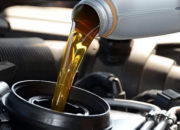
Replacement: Change engine oil and oil filter (for diesel/gasoline forklifts).
Cleaning: Clean the air filter to ensure proper airflow and efficient combustion.
Lubrication: Grease all pivot points, lift chains, and moving components to reduce friction and wear.
2.3. Major Service Every 1,000–2,000 Operating Hours
This is a comprehensive service to keep the forklift in optimal condition:
Hydraulic system: Replace hydraulic oil and hydraulic filters to protect pumps and control valves.
Drivetrain: Check axle oil, transmission oil, and adjust steering system alignment.
Electrical system: For electric forklifts, inspect control boards, motor carbon brushes, and electrical connections.
- Key Maintenance Points by Power Type
Electric forklifts: The battery is the core component. Regularly top up with distilled water (never tap water), and clean battery terminals to prevent acid corrosion and electrical failures.
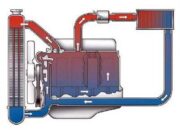
Diesel/LPG forklifts: The cooling system is critical. Keep the radiator clean and free of debris to prevent overheating and potential head gasket failure.
- Five Golden Tips to Extend Forklift Lifespan by Up to 20%
Clean the forklift after each shift: Dust buildup on electrical components or radiators is a hidden but serious cause of failure.
Train operators properly: Avoiding overloading and overspeeding can double equipment lifespan.
Use genuine lubricants: Low-quality oil may save a small cost upfront but can quickly damage pistons and cylinders.
Inspect tires regularly: Uneven wear causes vibration and puts stress on the chassis and axle system.
Listen to the machine: Knocking or squealing noises are early warning signs—stop and inspect immediately.
- Frequently Asked Questions (FAQ)
Q: Should a forklift be maintained if it is unused for a long period?
A: Yes. Idle oil can degrade and become acidic, while tires may deform due to prolonged static load. Run the forklift lightly for about 15 minutes each week.
Q: When should lift chains be replaced?
A: When chain elongation exceeds 3% of original length or when micro-cracks appear on chain links. This is a critical safety component and must not be ignored.
Q: Why does my electric forklift battery drain quickly even after charging?
A: The battery may suffer from sulfation due to improper charging practices (opportunity charging) or low electrolyte levels. Perform a proper deep discharge and full recharge cycle to restore capacity.