Container Forklift Sales and Rentals for Loading and Unloading

Container Forklift Sales and Rentals for Loading and Unloading

In the rapidly evolving landscape of logistics and import-export, the demand for container forklifts to load and unload goods has surged. These compact, maneuverable machines play a crucial role in safely and efficiently handling cargo within tight spaces.

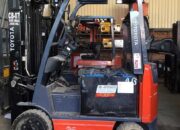
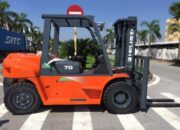
1. What is a Container ForkliftA container forklift is a specially designed forklift with narrow dimensions and low height, making it ideal for entering containers to perform loading and unloading tasks. With widths ranging from approximately 800mm to 2000mm, these forklifts can easily navigate standard 20-foot or 40-foot containers.

Thanks to their compact size and flexible maneuverability, container forklifts offer several advantages over conventional forklifts when it comes to handling cargo inside containers:
– Space Efficiency: Optimized for working in confined environments.
– Maximized Container Utilization: Makes the most of available space.
– Reduced Risk of Damage: Minimizes the risk of damaging goods during handling.
– Increased Productivity: Replaces manual labor, enhancing speed and efficiency.
– Enhanced Safety: Provides safer operations for both personnel and cargo.

2. Types of Container Forklifts
The market offers various types of container forklifts tailored for different loading and unloading needs. These forklifts are categorized based on fuel type, load capacity, and functionality.

By Fuel Type:
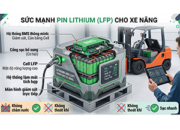
– Electric Container Forklifts: Powered by batteries, eco-friendly, suitable for indoor use.
– Gasoline/Diesel Container Forklifts: Operate on internal combustion engines, ideal for outdoor use with extended range.
– Hybrid Container Forklifts: Utilize both electric power and fossil fuels, versatile across multiple environments.

By Load Capacity:
– Light-Duty Forklifts: Under 1.5 tons, suitable for lighter loads.
– Medium-Duty Forklifts: Between 1.5 to 3 tons, versatile for various needs.
– Heavy-Duty Forklifts: Over 3 tons, specialized for heavy or large-sized cargo.

Each type has its own set of pros and cons regarding fuel costs, operational capabilities, machine lifespan, etc. Therefore, businesses should select the appropriate forklift type based on specific usage requirements to achieve optimal efficiency.

3. Popular Brands of Container Forklifts
Several renowned brands dominate the market when it comes to container forklifts:

Toyota Container Forklifts:
As a leading global brand in material handling equipment, Toyota is well-known for its high-performance engines that offer smooth operation and fuel efficiency. The robust design ensures safety even in challenging environments. However, Toyota forklifts tend to be more expensive than other brands.

TCM Container Forklifts:
A subsidiary of Japan’s Nissan Group, TCM specializes in compact forklifts perfect for container operations. TCM offers affordable pricing with excellent after-sales service and abundant spare parts availability. However, some models may not match Toyota’s performance levels.

Komatsu Container Forklifts:
Komatsu is an established Japanese brand known for its powerful performance and durability in tough working conditions. Their machines are also equipped with numerous safety features but come at a higher price point with slightly lower productivity compared to Toyota.

Linde Container Forklifts:
Originating from Germany, Linde produces high-efficiency electric forklifts designed with environmental friendliness in mind. Linde has made significant advancements in optimizing vehicle weight and battery performance but tends to be more expensive due to import costs while offering modern features that facilitate operation.

Hyundai Container Forklifts:
This South Korean brand provides competitively priced options that perform well in warehouse settings or industrial facilities. While Hyundai’s quality is generally reliable, some models may lack advanced features or have limited battery life compared to other brands.

Other notable brands like Nichiyu (TCM), Yale, Crown also offer high-quality container forklifts worth considering based on specific needs such as usage environment or budget constraints.

Trusted Providers of Container Forklift Sales & Rentals
In Vietnam, reputable providers like Samcovina JSC stand out as reliable sources for purchasing or renting container forklifts. With years of experience in material handling equipment sales and logistics solutions coupled with a knowledgeable team ready to assist customers’ unique requirements—Samcovina offers a wide range of products from various leading brands ensuring quality service every time you choose them as your partner!

For businesses looking into acquiring or leasing efficient container-handling solutions—considering factors such as operational needs environmental conditions investment budget will help make informed decisions among numerous available options ensuring optimal results tailored specifically towards achieving business goals effectively!
2 responses to “Container Forklift Sales and Rentals for Loading and Unloading”

  1. Chúng tôi đang có nhu cầu thê xe nâng 2 tần, tầm cao 2m, thời gian sử dụng 1 tháng, địa điểm tại Long Thành Đồng Nai.
    Công ty vui lòng tư vấn báo giá.
    Quang: 09222216739

    • Vâng, chúng tôi đã nhận được yêu cầu của anh, bộ phận tư vấn của chúng tôi sẽ liên hệ lại để hỗ trợ cho mình nhé.
      Thân mến!

Leave a Reply

Your email address will not be published. Required fields are marked *

Related posts

  • cang xe nang rung lac Severe Vibration on Container Handlers When Lifting Loads

    5 Root Causes and Quick Troubleshooting Guide In port operations and logistics, heavy-duty machines such as Reachstackers and Heavy-Duty Forklifts play a critical role. However, one of the most common issues that frustrates operators and technicians is severe vibration or jerking (chatter/judder) during lifting, lowering, or boom extension.   This phenomenon is not only uncomfortable […]

  • luu-y-khi-bao-duong-xe-nang Forklift maintenance, six notes to know

    Forklift maintenance, six notes to know First: How often should a forklift be serviced? This is very important. In general, such as manual forklifts, due to fewer parts and compared to electric forklifts, internal combustion forklifts, liquefied petroleum gas forklifts, etc. Maintenance cycles can be made longer, such as every six months. For electric forklift, […]

  • cam bien cho xe nang Why Do Reach Stacker Travel/Limit Sensors Frequently Fail at Seaports?

    Why Do Reach Stacker Travel/Limit Sensors Frequently Fail at Seaports? Meta Description: Discover the 5 primary reasons why travel-limit sensors on Reach Stackers and heavy-duty lift trucks frequently fail in harsh port environments. Samcovina provides proven technical solutions to eliminate recurring breakdowns.   The “Blind Spot” That Brings Port Operations to a Halt A familiar […]

  • xe nang cho nganh logistic The Most Common Types of Forklifts in Modern Logistics

    The Most Common Types of Forklifts in Modern Logistics In the relentless pace of the global supply chain, logistics and warehouse management serve as the lifeblood, determining the success or failure of a business. One of the greatest challenges every warehouse faces is how to optimize space, accelerate material handling, and ensure absolute safety. The […]

  • hu-thuy-luc-xe-nang Common Hydraulic System Failures in Forklifts and How to Handle Them

    Here are some common failures in the hydraulic system of forklifts and the corresponding repair solutions: 1. Oil leakage: Oil leakage is a common issue in hydraulic systems. The causes can be a broken hose, poor sealing, or damaged components. To repair, identify the cause of the leakage and replace the damaged parts or repair the hose. 2. Loss of pressure: If the forklift does not have enough pressure to lift or hold loads, it may be due to a malfunctioning control valve or other issues in the system. Check and repair the control valve, inspect other components such as pumps, relief valves, and hoses to find the cause of pressure loss. 3. Inoperability: Forklifts may not operate due to various reasons, including a non-starting motor, malfunctioning control valve, or damaged components. Inspect and repair any faulty components, check power supply, and ensure all electrical connections are correct. 4. Unusual noise: If you hear strange noises from the hydraulic system, there may be issues with the pump, valve, or hoses. Inspect and repair any damaged or worn-out components and ensure all hoses are securely connected. 5. System instability: If the forklift cannot maintain its position or oscillates while lifting loads, it may be due to a malfunctioning relief valve or improperly adjusted pressure. Check and repair the relief valve, inspect pressure levels, and adjust if necessary. 6. Loss of lifting function: If the forklift cannot lift or lower loads properly, it may be due to a malfunctioning control valve or pump. Check and repair the control valve, inspect the pump and other components to determine the cause of loss of lifting function. 7. Slow response or unresponsiveness: If the forklift moves slowly or does not respond when controlled, it may be due to a stuck control valve or pump issues. Check and clean the control valve, inspect the pump and other components to resolve this issue. 8. Excessive pressure: If the pressure in the hydraulic system is too high, it can cause oil leakage or damage other components. Check and adjust the pressure in the system according to manufacturer’s instructions. 9. System vibration: If the forklift vibrates while moving or lifting loads, it may be due to worn-out or loose components. Inspect and repair any damaged components, ensuring all connections are tightened. 10. Instability during lifting: If the forklift cannot maintain its position or is unstable while lifting loads, it may be due to a malfunctioning relief valve or control valve. Check and repair the relief valve, inspect the control valve, and adjust if necessary. 11. Instability during movement: If the forklift is unstable or skids during movement, it may be due to steering system or wheel issues. Inspect and repair the steering system, check and adjust wheels to ensure safe and stable forklift movement. 12. Loss of control: If you cannot control or maneuver the forklift accurately, it may be due to a malfunctioning control system or steering component. Inspect and repair any faulty components, check and adjust the control system for optimal control ability. 13. Overheating: If the hydraulic system becomes excessively hot after a period of use, it may be due to insufficient oil flow or ineffective cooling. Check and clean oil filters, inspect and adjust oil flow to keep the hydraulic system working well without overheating. 14. Inconsistent operation: If one part of the hydraulic system operates inconsistently compared to others, it may be due to a malfunctioning control valve or damaged component. Check and repair the control valve, inspect and replace any faulty components to ensure consistency in system operation. 15. Inoperability after a period of use: If the forklift does not operate after a period of use, it may be due to worn-out components or the need for lubrication. Inspect and repair any damaged components, lubricate necessary parts to ensure the system always operates well after each use. 16. Inoperability after startup: If the forklift does not operate after startup, it may be due to weak batteries or electrical system issues. Check and recharge batteries, inspect and repair electrical components to ensure the system operates well after startup. 17. Unresponsiveness when lifting loads: If the forklift does not respond when attempting to lift a load, it may be due to a malfunctioning control valve or pump. Check and repair the control valve, inspect and replace the pump if necessary to ensure proper operation when lifting loads. 18. Inoperability after a collision: If the forklift experiences a strong collision and then does not operate, it may be due to damaged components or lost connections. Inspect and repair any damaged components, reestablish connections if necessary. By addressing these common hydraulic system failures in forklifts promptly and effectively, you can ensure smooth operations and maintain safety in your workplace.