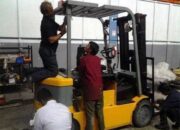
Genuine Container Forklift Spare Parts The Golden Key to Performance Optimization and Safety Assurance

Genuine Container Forklift Spare Parts: The Golden Key to Performance Optimization and Safety Assurance

Meta Description: Discover the pivotal role of genuine container forklift spare parts in boosting performance, extending lifespan, and ensuring safe operations. This in-depth article analyzes benefits and risks, helping you make smart, strategic investment decisions.


Container Forklifts – The Backbone of Global Logistics Under Relentless Pressure

In the fast-paced world of global supply chains, container forklifts—whether reach stackers or empty container handlers—form the indispensable backbone of ports, inland container depots (ICDs), and large-scale manufacturing hubs. These colossal machines work around the clock, lifting and transporting thousands of containers daily.

Such extraordinary performance comes at a cost: operating under extreme conditions—tens of tons in payload, nonstop 24/7 duty cycles, and harsh coastal weather exposure. In this high-pressure environment, every single component must deliver peak performance. Even a minor part—a bolt, an oil filter, or a brake pad—can determine the stability and efficiency of a multimillion-dollar machine.

Choosing between genuine OEM parts and low-cost aftermarket alternatives is not just a budgeting decision—it’s a strategic choice that directly impacts operational continuity and business survival.


Why Genuine Spare Parts Matter for Container Forklift Performance

1. Guaranteed Peak Operating Efficiency

A container forklift is a highly complex electro-hydraulic system where all parts must work seamlessly together. Genuine parts are manufactured under the same standards, material grades, and tolerances as the original components, ensuring full compatibility.

Example: A genuine hydraulic filter maintains proper oil flow and pressure, enabling precise, smooth, and fuel-efficient lifting and spreader movements. By contrast, a counterfeit filter risks clogging, pressure loss, overheating, sluggish operation, and higher fuel consumption.


2. Maximized Equipment Lifespan

The durability of a multimillion-dollar forklift depends heavily on the integrity of each component. Genuine parts are engineered from premium-grade materials, rigorously tested for wear resistance, thermal stability, and high-pressure endurance.

Proof in practice: OEM brake pads for reach stackers are designed to withstand emergency stops under heavy load, lasting significantly longer than cheaper substitutes. Using genuine pads not only reduces replacement frequency (cutting labor and downtime costs) but also protects high-value components such as brake discs and calipers from premature damage.


3. Safety for Operators and Cargo

Above all else, safety is non-negotiable. Every genuine container forklift spare part is subjected to stringent factory safety tests before release.

Critical risk: Imagine a substandard wheel bolt snapping while transporting a 40-ton container—or a low-grade brake system failing at a critical moment. The result could be catastrophic: life-threatening accidents and massive asset losses.


4. Perfect Fit Preventing Domino-Effect Failures

In complex machinery, failures often cascade. A single incompatible component can create abnormal stress on related systems, triggering a costly domino effect of breakdowns.

Example: A non-genuine gasket or seal may leak hydraulic or engine oil, leading not only to wastage and environmental hazards but also to catastrophic damage of key systems such as pumps, transmissions, or engines due to inadequate lubrication and overheating.


Hidden Risks of Using Non-Genuine Spare Parts

The illusion of “saving” with cheap parts is a costly trap. Initial savings are quickly outweighed by hidden risks:

  1. Skyrocketing Repair Costs
    Counterfeit parts have short lifespans, break down frequently, and damage surrounding components. The cumulative repair bill far exceeds the upfront cost of OEM parts.

  2. Downtime – The Profit Killer
    Every hour of forklift downtime disrupts supply chains, delays cargo schedules, risks contract penalties, and damages customer trust. Downtime losses often dwarf the cost of genuine spare parts.

  3. Warranty Invalidation
    Reputable brands like Kalmar, Konecranes, Liebherr, Hyster strictly enforce OEM-only warranty policies. Using non-genuine parts voids coverage, leaving you liable for all repair expenses.

  4. Severe Safety Hazards
    This risk is beyond monetary value. Using poor-quality parts gambles with operator lives and workplace safety—something no responsible business can afford to compromise.


How to Identify Genuine Container Forklift Spare Parts

Key authenticity indicators:

  • Packaging & labeling: Professional, high-quality packaging with clear QR codes or anti-counterfeit seals.

  • Part numbers: Must exactly match OEM technical catalog references, etched or printed permanently on the part.

  • Craftsmanship: Precision finish, no burrs, defects, or signs of poor machining.

  • Pricing: Beware of unusually low prices. OEM parts are consistently priced in line with their engineered value.


Choosing the Right Spare Parts Supplier

Essential criteria:

  • Authorized dealers: Always source from official OEM distributors.

  • Documentation: Supplier must provide full Certificates of Origin (CO) and Certificates of Quality (CQ).

  • Technical expertise: Reliable suppliers employ skilled engineers to advise on correct part selection.

  • Warranty compliance: Supplier policies should align with OEM warranty standards.

  • Market reputation: Check customer reviews and prioritize suppliers with long-standing industry credibility.

Leave a Reply

Your email address will not be published. Required fields are marked *

Related posts

  • xe chup chui container Sale and Rental of Container Reach Forklifts

    Sale and Rental of Container Reach Forklifts – Samcovina’s Optimal Solution In the context of the rapidly growing logistics and import-export industries, the demand for container forklifts, especially container reach forklifts, has become a key factor in ensuring efficiency in loading, unloading, and retrieving goods. With years of experience in providing lifting equipment solutions, Samcovina […]

  • vo lop cho xe nang cont Container Handler Tires: A Guide to Choosing and Comparing Pneumatic vs. Solid Tires

      Types of Container Handler Tires: An Expert Guide to Pros, Cons, and Selection In the bustling environments of seaports, depots, and logistics centers, container handlers (Reachstackers) are the backbone of the entire operation. Operating continuously under loads of tens of tons, every component of these machines plays a critical role. Among them, the tires—the […]

  • xe-nang-toyota-chui-container Container Forklift Sales and Rentals for Loading and Unloading

    Container Forklift Sales and Rentals for Loading and Unloading In the rapidly evolving landscape of logistics and import-export, the demand for container forklifts to load and unload goods has surged. These compact, maneuverable machines play a crucial role in safely and efficiently handling cargo within tight spaces. 1. What is a Container ForkliftA container forklift is a specially designed forklift with narrow dimensions and low height, making it ideal for entering containers to perform loading and unloading tasks. With widths ranging from approximately 800mm to 2000mm, these forklifts can easily navigate standard 20-foot or 40-foot containers. Thanks to their compact size and flexible maneuverability, container forklifts offer several advantages over conventional forklifts when it comes to handling cargo inside containers: – Space Efficiency: Optimized for working in confined environments. – Maximized Container Utilization: Makes the most of available space. – Reduced Risk of Damage: Minimizes the risk of damaging goods during handling. – Increased Productivity: Replaces manual labor, enhancing speed and efficiency. – Enhanced Safety: Provides safer operations for both personnel and cargo. 2. Types of Container Forklifts The market offers various types of container forklifts tailored for different loading and unloading needs. These forklifts are categorized based on fuel type, load capacity, and functionality. By Fuel Type: – Electric Container Forklifts: Powered by batteries, eco-friendly, suitable for indoor use. – Gasoline/Diesel Container Forklifts: Operate on internal combustion engines, ideal for outdoor use with extended range. – Hybrid Container Forklifts: Utilize both electric power and fossil fuels, versatile across multiple environments. By Load Capacity: – Light-Duty Forklifts: Under 1.5 tons, suitable for lighter loads. – Medium-Duty Forklifts: Between 1.5 to 3 tons, versatile for various needs. – Heavy-Duty Forklifts: Over 3 tons, specialized for heavy or large-sized cargo. Each type has its own set of pros and cons regarding fuel costs, operational capabilities, machine lifespan, etc. Therefore, businesses should select the appropriate forklift type based on specific usage requirements to achieve optimal efficiency. 3. Popular Brands of Container Forklifts Several renowned brands dominate the market when it comes to container forklifts: Toyota Container Forklifts: As a leading global brand in material handling equipment, Toyota is well-known for its high-performance engines that offer smooth operation and fuel efficiency. The robust design ensures safety even in challenging environments. However, Toyota forklifts tend to be more expensive than other brands. TCM Container Forklifts: A subsidiary of Japan’s Nissan Group, TCM specializes in compact forklifts perfect for container operations. TCM offers affordable pricing with excellent after-sales service and abundant spare parts availability. However, some models may not match Toyota’s performance levels. Komatsu Container Forklifts: Komatsu is an established Japanese brand known for its powerful performance and durability in tough working conditions. Their machines are also equipped with numerous safety features but come at a higher price point with slightly lower productivity compared to Toyota. Linde Container Forklifts: Originating from Germany, Linde produces high-efficiency electric forklifts designed with environmental friendliness in mind. Linde has made significant advancements in optimizing vehicle weight and battery performance but tends to be more expensive due to import costs while offering modern features that facilitate operation. Hyundai Container Forklifts: This South Korean brand provides competitively priced options that perform well in warehouse settings or industrial facilities. While Hyundai’s quality is generally reliable, some models may lack advanced features or have limited battery life compared to other brands. Other notable brands like Nichiyu (TCM), Yale, Crown also offer high-quality container forklifts worth considering based on specific needs such as usage environment or budget constraints. Trusted Providers of Container Forklift Sales & Rentals In Vietnam, reputable providers like Samcovina JSC stand out as reliable sources for purchasing or renting container forklifts. With years of experience in material handling equipment sales and logistics solutions coupled with a knowledgeable team ready to assist customers’ unique requirements—Samcovina offers a wide range of products from various leading brands ensuring quality service every time you choose them as your partner! For businesses looking into acquiring or leasing efficient container-handling solutions—considering factors such as operational needs environmental conditions investment budget will help make informed decisions among numerous available options ensuring optimal results tailored specifically towards achieving business goals effectively!

  • dieu-khien-xe-nang Electric forklift control circuit board repair service

    Electric forklift control circuit board repair service Electric forklift control board repair service is one of the important services for businesses using electric forklifts. The control board is one of the most important components of an electric forklift and it ensures safe and efficient operation of the vehicle. Problems with the control board can be […]

  • forklift-cat FAQs about Forklift

    Frequently Asked Questions about Forklifts 1. What is a forklift? Answer: A forklift is a specialized vehicle designed to lift, lower, and move goods and materials in warehouses and factories easily and safely. It is equipped with front lifting forks and an engine for movement. 2. What are the most common types of forklifts? Answer: Some common types of forklifts include counterbalance forklifts, electric forklifts, pneumatic forklifts, and manual pallet jacks. Among them, electric forklifts are the most popular due to their flexibility, ease of use, and environmental friendliness. 3. What is the typical lifting range of a forklift? Answer: The standard lifting range of a forklift is usually between 2m – 5.5m depending on the type and capacity. For high-rise warehouses, taller lifting ranges up to 7-12 meters can be used. 4. What is the maximum safe load capacity of regular forklifts? Answer: The safe load capacity of regular forklifts ranges from 1 – 5 tons depending on the capacity and size of the vehicle. For heavy-duty forklifts, the load capacity can go up to 10-15 tons. Always follow the manufacturer’s recommended load limits to ensure safety. 5. What are the common fuel options for forklifts? Answer: Forklifts commonly run on electricity (battery) or diesel/gasoline fuel. Electric forklifts are preferred in indoor warehouses due to their clean operation, quietness, and ease of use. 6. How should a forklift be regularly maintained? Answer: To ensure proper operation and safety, a forklift should undergo regular maintenance every month or after a certain number of operating hours. Maintenance tasks typically include checking oil levels, replacing oil/fuel filters, inspecting brakes/tires, charging/replacing batteries (for electric forklifts), etc. 7. How much does it cost to operate and maintain a forklift annually? Answer: The annual operating and maintenance cost for a regular forklift is around 15 – 30 million VND, including fuel costs (diesel, gasoline, electricity), regular maintenance, and small component replacements. For higher-end forklifts, the cost can go up to 50-70 million VND per year. 8. How to safely lift and lower palletized loads with a forklift? Answer: When lifting loads, tilt the forks forward by 15 degrees to ensure stability, move slowly, and maintain a safe distance from the surroundings. Lift the load slowly according to the driver’s visibility. Lower the load slowly in a tilted direction. Avoid sudden lifting or lowering that may cause load spills. 9. What qualifications or certifications are required to operate a forklift? Answer: Forklift operators need to have certification in safe operation and handling of forklifts. They also need to possess a Forklift Driver’s License issued by the authorized agency to legally operate the vehicle. 10. What are the standard dimensions of different types of forklifts? Answer: The dimensions of forklifts vary depending on their load capacity and type. Typically, length ranges from 1.5 – 3m; width ranges from 0.5 – 1m; height ranges from 1.5 – 4m. Some models have smaller dimensions to fit narrow aisles. 11. On what types of terrains can forklifts operate? Answer: Forklifts can operate well on most flat surfaces such as concrete, asphalt, tiled floors, etc. However, they should not be used on rough or uneven terrains or muddy areas. 12. What is the safe traveling speed of a forklift when carrying loads? Answer: The recommended safe traveling speed for a forklift carrying loads is 8-12 km/h. Speed should be reduced when going around corners or narrow paths. 13. How to stack loads on a forklift to ensure safety? Answer: Loads should be stacked evenly and within the allowed load capacity. Do not stack higher than the fork height. Maintain stability while moving. Stack in a way that does not obstruct the driver’s visibility. 14. What safety features do forklifts have? Answer: Forklifts are equipped with reverse alarms, turn signals, warning horns, anti-tip frames, and guardrails to protect the driver and cargo. 15. How long does it take to fully charge an electric forklift battery? Answer: The average charging time for an electric forklift battery is 6-8 hours. It should be fully charged before each shift. Some models can have fast charging options within 2-3 hours. 16. Which countries are the most common sources of imported forklifts? Answer: Forklifts are mostly imported from Japan, South Korea, China, and Taiwan. These countries are known for their quality and popular brands in Vietnam. 17. What are some popular forklift brands? Answer: Some popular forklift brands include Toyota, Mitsubishi, Komatsu, Nissan, TCM, Hangcha, Lonking… 18. Is it better to buy a new or used forklift? Why? Answer: It is recommended to buy a new forklift to ensure quality and longevity of the vehicle. New forklifts have high durability, fewer breakdowns, and lower maintenance costs. Used forklifts may be cheaper but come with higher risks of issues. 19. How much does it cost to insure a forklift annually? Answer: The insurance cost for a forklift is around 4-8% of the vehicle’s value. For example, for a 500 million VND forklift, the insurance fee would be approximately 20-40 million VND per year depending on the coverage. 20. What is the process for inspection and registration of a forklift? Answer: Forklifts need to undergo inspection and registration procedures according to local regulations. This typically involves submitting necessary documents, paying fees, and obtaining registration plates or stickers.