A Comprehensive Guide to Choosing the Right Forklift for Your Business Needs

A Comprehensive Guide to Choosing the Right Forklift for Your Business Needs

The transportation and storage of goods plays a crucial role in the production and business activities of every enterprise. To optimize this process, forklifts have become an indispensable and powerful tool.

The Importance of Choosing the Right Forklift for Your Business

Forklifts play a vital role in improving labor productivity, minimizing labor costs, and ensuring the safety of goods. Choosing the right forklift not only meets current operational needs but also affects the long-term operational efficiency of the business.

  • Increased labor productivity: Reduces transportation time, loading and unloading of goods, increasing work efficiency.
  • Cost savings: Reduces labor costs, fuel consumption, maintenance, and repair expenses.
  • Safety assurance: Minimizes the risk of occupational accidents and damage to goods.
  • Space optimization: Choosing a forklift suitable for the warehouse space helps to utilize the area effectively.

Conversely, choosing the wrong type of forklift can lead to:

  • Fuel waste: A forklift that is too large for its intended use consumes more fuel.
  • Costly maintenance: Forklifts that are not suitable for the working environment are prone to damage, leading to costly repairs.
  • Reduced efficiency: Forklifts that do not meet job requirements reduce labor productivity.
  • Safety hazards: Unsuitable forklifts can cause occupational accidents and damage to goods.

Factors to Consider When Choosing a Forklift for Your Business

To choose the most suitable forklift, you need to carefully consider the following factors:

1. Usage Needs:

  • Purpose of use: You need to clearly define the purpose of using the forklift: lifting and lowering goods in the warehouse, transporting goods between areas, loading and unloading goods onto trucks, or using it in special environments such as cold storage, manufacturing plants, etc.
  • Frequency of use: Will the forklift be used frequently or infrequently? If used continuously with high intensity, you need to choose a model with high durability and a powerful engine.
  • Working environment: Is the forklift’s working environment indoors or outdoors? Is the terrain flat or rough? Are there any special requirements for emissions and noise?

2. Characteristics of Goods:

  • Type of goods: You need to determine the type of goods to be lifted: pallets, packages, rolls of paper, construction materials, etc. Each type of goods will require a different type of lifting frame and vehicle size.
  • Weight of goods: Determine the required lifting capacity. It is advisable to choose a forklift with a lifting capacity about 10-20% greater than the actual need to ensure safety and durability for the vehicle.
  • Size of goods: The size of the goods affects the type of lifting frame and the size of the vehicle. Bulky goods require forklifts with wide lifting frames and a long wheelbase.

3. Operating Space:

  • Lifting height: Determine the maximum height required to lift and lower goods to select a forklift with an appropriate lifting height.
  • Aisles: The width of the aisles affects the size of the vehicle. Narrow aisles require compact forklifts with a small turning radius.
  • Turning radius: The smaller the turning radius, the easier it is for the forklift to move in tight spaces.
  • Terrain: Flat, rough, sloping terrain or obstacles will affect the choice of forklift type and tire type.

4. Power Source:

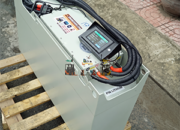
Electric Forklifts:

  • Advantages: Smooth operation, no environmental pollution, suitable for indoor working environments, cold storage, food production factories.
  • Disadvantages: Operating time depends on battery capacity, higher initial investment cost.

Diesel/Gas Forklifts:

  • Advantages: Powerful, continuous operation, suitable for outdoor working environments, heavy-duty tasks.
  • Disadvantages: Exhaust fumes cause environmental pollution and engine noise is loud.

5. Additional Features:

  • Special lifting frames: Double lifting frames, free lifting frames, rotating lifting frames, etc., to meet the needs of lifting special goods.
  • Attachments: Roll clamps, buckets, side shifters, rotating forks, etc., expand the application capabilities of the forklift.
  • Safety technology: Automatic braking system, overload warning, reversing camera, stability control system, etc.

6. Budget:

  • Purchase cost: Consider new or used forklifts. New forklifts are more expensive but ensure quality and performance.
  • Operating costs: Include fuel costs, maintenance, and repairs. Electric forklifts have lower operating costs than diesel/gas forklifts.
  • Labor costs: Forklift training and operation.

Common Types of Forklifts

Here are some common types of forklifts on the market:

1. Counterbalance Forklifts:

  • Classification: Electric forklifts, diesel/gas forklifts.
  • Advantages: Versatile, high load capacity, suitable for many types of goods and working environments.
  • Disadvantages: Large turning radius, not suitable for narrow spaces.

2. Reach Trucks:

  • Advantages: Suitable for narrow spaces, high lifting height, highly efficient in loading and unloading goods in high-rise warehouses.
  • Disadvantages: Limited lifting capacity, higher price compared to counterbalance forklifts.

3. Hand Pallet Trucks:

  • Advantages: Low price, easy to use, suitable for lifting light goods, moving short distances.
  • Disadvantages: Low lifting capacity, manual movement, low work efficiency.

4. Aerial Work Platforms:

  • Classification: Scissor lifts, boom lifts.
  • Advantages: Lift people to work at height, safe and efficient.
  • Disadvantages: Not used to lift goods, high price.

Choosing a Reputable Supplier

Choosing a reputable supplier is just as important as choosing the right forklift. A reputable supplier will ensure product quality, good after-sales service, and reasonable prices.

When choosing a supplier, you need to pay attention to the following points:

  • Experience and reputation: Choose a supplier with many years of experience in the forklift field, with a good reputation in the market.
  • Product quality: Ensure that the product has a clear origin, and the quality meets standards.
  • After-sales service: Warranty, maintenance, repair, and spare parts supply.

Leave a Reply

Your email address will not be published. Required fields are marked *

Related posts

  • thue-xe-nang-binh-duong Forklift rental service in electric, diesel, gas cheap

    Forklift rental at electricity, diesel, gas cheap price The use of forklifts brings many benefits to businesses. Therefore, more and more people choose the forklift rental service of Samcovina Company, why is that? Is renting a forklift better than buying a forklift? Buying a good forklift is a business, it costs a lot of money, […]

  • he-thong-thuy-luc Manual for hydraulic system maintenance for forklifts

    Maintenance of hydraulic systems for forklifts The maintenance of the forklift hydraulic system is different from other mechanical systems, the maintenance of the hydraulic system is relatively simple. But this maintenance has a big impact on the operation, efficiency and life of the hydraulic system. The maintenance of the forklift hydraulic system can be performed […]

  • xe-nang-toyota-chui-container Container Forklift Sales and Rentals for Loading and Unloading

    Container Forklift Sales and Rentals for Loading and Unloading In the rapidly evolving landscape of logistics and import-export, the demand for container forklifts to load and unload goods has surged. These compact, maneuverable machines play a crucial role in safely and efficiently handling cargo within tight spaces. 1. What is a Container ForkliftA container forklift is a specially designed forklift with narrow dimensions and low height, making it ideal for entering containers to perform loading and unloading tasks. With widths ranging from approximately 800mm to 2000mm, these forklifts can easily navigate standard 20-foot or 40-foot containers. Thanks to their compact size and flexible maneuverability, container forklifts offer several advantages over conventional forklifts when it comes to handling cargo inside containers: – Space Efficiency: Optimized for working in confined environments. – Maximized Container Utilization: Makes the most of available space. – Reduced Risk of Damage: Minimizes the risk of damaging goods during handling. – Increased Productivity: Replaces manual labor, enhancing speed and efficiency. – Enhanced Safety: Provides safer operations for both personnel and cargo. 2. Types of Container Forklifts The market offers various types of container forklifts tailored for different loading and unloading needs. These forklifts are categorized based on fuel type, load capacity, and functionality. By Fuel Type: – Electric Container Forklifts: Powered by batteries, eco-friendly, suitable for indoor use. – Gasoline/Diesel Container Forklifts: Operate on internal combustion engines, ideal for outdoor use with extended range. – Hybrid Container Forklifts: Utilize both electric power and fossil fuels, versatile across multiple environments. By Load Capacity: – Light-Duty Forklifts: Under 1.5 tons, suitable for lighter loads. – Medium-Duty Forklifts: Between 1.5 to 3 tons, versatile for various needs. – Heavy-Duty Forklifts: Over 3 tons, specialized for heavy or large-sized cargo. Each type has its own set of pros and cons regarding fuel costs, operational capabilities, machine lifespan, etc. Therefore, businesses should select the appropriate forklift type based on specific usage requirements to achieve optimal efficiency. 3. Popular Brands of Container Forklifts Several renowned brands dominate the market when it comes to container forklifts: Toyota Container Forklifts: As a leading global brand in material handling equipment, Toyota is well-known for its high-performance engines that offer smooth operation and fuel efficiency. The robust design ensures safety even in challenging environments. However, Toyota forklifts tend to be more expensive than other brands. TCM Container Forklifts: A subsidiary of Japan’s Nissan Group, TCM specializes in compact forklifts perfect for container operations. TCM offers affordable pricing with excellent after-sales service and abundant spare parts availability. However, some models may not match Toyota’s performance levels. Komatsu Container Forklifts: Komatsu is an established Japanese brand known for its powerful performance and durability in tough working conditions. Their machines are also equipped with numerous safety features but come at a higher price point with slightly lower productivity compared to Toyota. Linde Container Forklifts: Originating from Germany, Linde produces high-efficiency electric forklifts designed with environmental friendliness in mind. Linde has made significant advancements in optimizing vehicle weight and battery performance but tends to be more expensive due to import costs while offering modern features that facilitate operation. Hyundai Container Forklifts: This South Korean brand provides competitively priced options that perform well in warehouse settings or industrial facilities. While Hyundai’s quality is generally reliable, some models may lack advanced features or have limited battery life compared to other brands. Other notable brands like Nichiyu (TCM), Yale, Crown also offer high-quality container forklifts worth considering based on specific needs such as usage environment or budget constraints. Trusted Providers of Container Forklift Sales & Rentals In Vietnam, reputable providers like Samcovina JSC stand out as reliable sources for purchasing or renting container forklifts. With years of experience in material handling equipment sales and logistics solutions coupled with a knowledgeable team ready to assist customers’ unique requirements—Samcovina offers a wide range of products from various leading brands ensuring quality service every time you choose them as your partner! For businesses looking into acquiring or leasing efficient container-handling solutions—considering factors such as operational needs environmental conditions investment budget will help make informed decisions among numerous available options ensuring optimal results tailored specifically towards achieving business goals effectively!

  • xe nang cho nha kho Choosing the Right Container Forklift for Ports and Large Warehouses

    Experience in Choosing the Right Container Forklift for Ports and Large Warehouses   In the logistics industry, container forklifts play a critical role in handling and transporting goods at seaports and large warehouses. With containers weighing tens of tons, selecting the right forklift not only optimizes performance but also minimizes operating costs and ensures workplace […]

  • su dung xe nang hang Top 10 Common Forklift Operation Errors and How to Fix Them

    Top 10 Common Forklift Operation Errors and How to Fix Them Safe and efficient forklift operation is crucial to ensure productivity, work efficiency, and prevent unfortunate workplace accidents. Although forklifts are a powerful tool in loading, unloading, and transporting goods, if operated incorrectly, they can cause serious consequences. Below are 10 common mistakes when operating […]