Electric vs. Diesel Forklifts: A Comprehensive Comparison of Costs and Operational Efficiency
Forklifts are indispensable in warehousing, manufacturing, and logistics, serving as the backbone for optimizing material handling and boosting overall business efficiency. However, with the variety of options available, many managers face a dilemma: should they choose electric forklifts or diesel forklifts? Which option is more cost-effective and operationally efficient?
This article provides a comprehensive analysis, delving into key factors to help your business make the most informed decision.
1. Overview of Electric and Diesel Forklifts
Before diving into the comparison, let’s explore the basic characteristics of these two popular forklift types.
a. Electric Forklifts
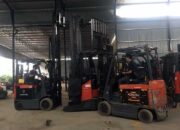
Electric forklifts are powered by batteries, supplying energy to motors for movement and lifting. They are the preferred choice for environments requiring cleanliness and low noise.
Common Types of Electric Forklifts:
Counterbalance Forklift: The most basic type, used for lifting and moving pallets.
Reach Truck: Designed for narrow aisles with extended reach capabilities.
Pallet Stacker/Jack: Used for low-level pallet movement or stacking.
Electric Hand Pallet Truck: An electrified version of manual pallet trucks.
Key Advantages:
Zero Emissions: Ideal for enclosed spaces, food, or pharmaceutical facilities.
Low Noise: Reduces noise pollution, creating a more comfortable work environment.
Lower Fuel Costs: Charging costs are significantly cheaper than diesel or gasoline.
Simpler Maintenance: Fewer moving parts reduce periodic maintenance costs.
Key Disadvantages:
Charging Time: Requires time to charge or swap batteries.
Higher Initial Cost: Particularly due to battery and charger expenses.
Limited Outdoor Use: Less suitable for rough terrain or wet conditions.
b. Diesel/Gasoline/LPG Forklifts
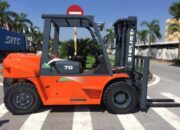
Diesel forklifts use internal combustion engines powered by fossil fuels like diesel, gasoline, or liquefied petroleum gas (LPG). They are known for their power and continuous operation.
Key Advantages:
High Power: Suitable for heavy loads and continuous operation.
Continuous Operation: Refueling is quick, avoiding downtime.
Versatile in Harsh Environments: Performs well on uneven terrain or in adverse weather.
Lower Initial Cost: Cheaper upfront compared to electric forklifts of similar capacity.
Key Disadvantages:
Emissions and Noise: Produces exhaust and noise, unsuitable for enclosed spaces.
Higher Fuel Costs: Fuel prices are higher and subject to market fluctuations.
Complex Maintenance: Internal combustion engines require more frequent and complex upkeep.
2. Cost Comparison: Electric vs. Diesel Forklifts
When choosing a forklift, costs extend beyond the initial purchase price to include the total cost of ownership over its lifespan.
a. Initial Investment Cost
Electric Forklifts: Typically have a higher upfront cost due to advanced battery technology (especially Lithium-ion) and complex electronic systems.
Diesel Forklifts: Lower initial cost, making them more accessible for businesses with limited capital.
b. Fuel/Energy Costs
Electric Forklifts: Charging costs are significantly lower, often 20-30% of diesel fuel costs for a work shift, offering long-term savings, especially amid fluctuating fuel prices.
Diesel Forklifts: Higher fuel costs (diesel, gasoline, or LPG) are subject to global market volatility, requiring a larger budget allocation.
c. Maintenance and Repair Costs
Electric Forklifts: Fewer moving parts (no engine, complex transmission, etc.) result in lower routine maintenance costs. However, battery replacement (especially lead-acid batteries) can be costly after years of use. Lithium-ion batteries last longer but have a higher upfront cost.
Diesel Forklifts: Require regular maintenance of oil, air, and fuel filters, spark plugs, and cooling systems, leading to higher routine costs. Engine-related repairs can also be expensive.
d. Labor Costs
There’s no significant difference in labor costs, as both types require operators with similar skills and certifications.
3. Operational Efficiency Comparison
Beyond costs, operational efficiency is critical in determining a forklift’s suitability for specific work environments.
a. Work Environment and Worker Health
Electric Forklifts: Ideal for indoor settings like warehouses, food, pharmaceutical, or textile facilities. They produce no harmful emissions or excessive noise, creating a cleaner, safer, and healthier workplace.
Diesel Forklifts: Emit CO2, NOx, and significant noise, making them unsuitable for enclosed or hygiene-sensitive spaces. They require well-ventilated work areas for safety.
b. Performance
Electric Forklifts: Offer smooth acceleration, quiet operation, and precision, ideal for confined spaces requiring flexibility. However, performance is limited by charging times (6-8 hours) unless spare batteries are available.
Diesel Forklifts: Excel in power, handling heavy loads, and fast movement. Quick refueling allows continuous operation, making them suitable for high-intensity, uninterrupted tasks.
c. Durability and Lifespan
Electric Forklifts: Can have a long lifespan with proper maintenance of electrical systems and batteries. Battery lifespan is a critical consideration.
Diesel Forklifts: Known for durability and resilience in harsh conditions, such as dusty environments or rough terrain.
d. Application Suitability
Electric Forklifts: Best suited for:
Indoor warehouses, factories, or production areas.
Supermarkets and shopping centers.
Food, pharmaceutical, electronics, or textile industries (due to cleanliness requirements).
Cold storage (specialized electric models available).
Diesel Forklifts: Ideal for:
Construction sites, ports, or shipping yards.
Manufacturing plants for construction materials, steel, or timber.
Outdoor areas, complex terrain, or long-distance transport.
Heavy-duty lifting tasks.
4. Other Factors to Consider
Beyond costs and performance, businesses should evaluate additional factors:
Infrastructure Requirements:
Electric Forklifts: Require investment in charging stations, suitable electrical systems, or dedicated battery-swapping areas.
Diesel Forklifts: Need safe fuel storage areas compliant with fire safety regulations.
Regulations and Policies: Some industrial zones or countries have strict emissions or noise regulations, impacting forklift choice.
Resale Value: Electric forklifts may retain better value if the battery is in good condition.
Load and Height Requirements: The specific lifting capacity and maximum lift height needed are critical in selecting the right forklift power.
Shift Patterns: For 2-3 shift operations, diesel forklifts or electric models with Lithium-ion batteries/quick-swap systems are preferable.