Container Handler with Weak Hydraulics: Root Causes and Effective Solutions
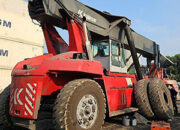
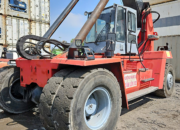
In port operations and logistics, container handlers—especially reachstackers—are considered the “right hand” of cargo handling. However, after prolonged high-duty cycles, the hydraulic system—the machine’s “muscle”—often shows signs of reduced performance and sluggish response. Understanding the root causes and proper corrective actions not only helps reduce maintenance costs but also ensures maximum safety for both cargo and operators.
- Symptoms of Hydraulic System Failure in Container Handlers
Hydraulic systems on EU/G7 machines such as Kalmar, Konecranes, or Linde are known for durability, but when issues arise, the equipment typically shows the following warning signs:
Abnormally slow lifting/lowering speed: Even at high engine RPM, the boom or spreader moves sluggishly and fails to meet expected productivity.
Unusual noise: High-pitched whining or knocking sounds from the hydraulic pump area or valve block.
Boom drifting: When holding a loaded container at height, the boom gradually lowers without operator input.
Elevated oil temperature: The hydraulic tank or pipelines become excessively hot (often above 80°C), sometimes accompanied by a slight burnt oil smell.
- Five Common Causes of Weak Hydraulics in Reachstackers
Based on field service experience, the following are the most common root causes:
- Substandard or Degraded Hydraulic Oil
Hydraulic oil is responsible for power transmission and lubrication. Low-quality or contaminated oil (oxidized, water ingress, or metal particles) leads to reduced viscosity and poor compressibility, resulting in insufficient system pressure for handling heavy container loads.
- Clogged Hydraulic Filters
Blocked suction or return filters restrict oil flow to the pump. This causes the pump to operate under oil starvation conditions, leading to cavitation, which damages internal metal surfaces.
- Worn or Damaged Hydraulic Pump
The hydraulic pump is the core component of the system. After thousands of operating hours, internal gears or pistons wear out, creating excessive internal clearance. This results in internal leakage, reducing output pressure significantly.
- Pressure Loss in Control Valves
Relief valves or directional control valves may stick due to contamination or weakened springs. This causes hydraulic oil to bypass back to the tank prematurely instead of being directed to actuators.
- Damaged Seals and Hydraulic Cylinders
Worn or damaged seals inside the hydraulic cylinders can cause internal leakage across the piston. This leads to insufficient pressure to extend the cylinder, resulting in reduced lifting capacity or load drifting.
III. Standard Repair and Troubleshooting Procedure
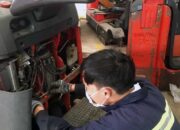
To effectively resolve weak hydraulic performance, a structured diagnostic and repair process is essential:
Step 1: Oil Inspection and Sampling
Check oil condition (color, contamination level). Replace with compliant oil (ISO VG 46 or 68 depending on machine specifications) if degradation is detected.
Step 2: Filter Replacement
Replace both suction and return filters to ensure proper flow and system cleanliness.
Step 3: System Pressure Testing
Use high-pressure gauges to measure pressure at pump outlets and valve sections. This step is critical for pinpointing the faulty component.
Step 4: Valve Block Servicing and Calibration
Clean valve components, inspect springs, and recalibrate relief pressure to OEM specifications.
Step 5: Cylinder and Pump Overhaul
Replace high-pressure seals or rebuild the hydraulic pump using OEM or high-quality imported components where necessary.
- Why Choose Professional Reachstacker Maintenance Services
Selecting a qualified service provider ensures reliability and long-term equipment performance:
Genuine spare parts sourcing: Ensures durability and optimal system efficiency.
Specialized technical expertise: Deep understanding of hydraulic circuits and complex reachstacker systems.
Regional service capability: Ability to support operations across multiple countries.
Cost optimization: Accurate diagnostics prevent unnecessary parts replacement and reduce downtime.