

Do’s and Don’ts When Driving a Forklift
When operating a forklift there are some things you should always do and some things you should never do. Although some aspects may be obvious, If we do not follow these principles even small mistakes can cause costly correction or repair.
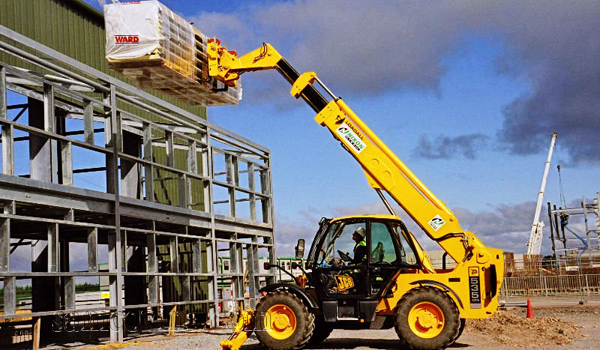
Things forklift users should always do:
Reduce the height of the boom before transfer (approximately 150mm). Never stay above the lift shaft height.
Lift the cargo/object with a slight incline, never lift the object at a vertical or transitional incline.
Be especially careful when braking, accelerating or turning smoothly. If things are applied suddenly it will change your forklift balance.
An extra person (to make it easier to see behind the vehicle) or an extra load is recommended when working on uneven ground, directional, in strong winds or similar hazards.
Lower all (especially heavy) loads slowly and set them down gently.
Be aware of the direction of rotation of the load/lifting object when carrying long objects (e.g. crossbars, pipes, wood or other long objects).
Check your shipment operator notes, markings or containers to find a balance point to ensure your forklift is capable of lifting loads.
Driving slowly in wet or slippery conditions, lifting should be carried out with caution in these unfavorable conditions.
Make sure the forklift is completely stopped before changing direction from the front to reverse the boom or reverse.
Maintain a safe distance between your forklift and another forklift – container forklift
Things not to do during forklift operation.
Leave a load on a stack if it appears unstable and is likely to collapse at any time.
The weight exceeds the specified lifting weight of the forklift. This will overload the forklift, easily causing the vehicle to lean towards the forklift, losing control of your steering wheel. The forklift truck is often used to exceed the specified load, which can damage the hydraulic systems and mechanical components of the forklift.
If you want the forklift to work with one of the specified maximum loads you should add counterweights to the rear of your forklift. Counterweights have now been designed for safe working forklift trucks with maximum payload (SWL).
The lifting lever should be lowered on the move especially while turning. You simply raise and lower the load while you are stationary and directly in front of stacks, pallets or trailers.
Do not allow any person to stand under the support of loading or unloading goods as this can easily cause an accident.
Carrying a load with just a leash that could force it across the load would be severely affected.
Lifting a load close to or above the person as it is against safe operating procedures.
If you have any questions for the safe handling of a forklift, please leave us a comment at Samcovina.com so we can assist you as much as possible. – electric forklift



Xin cho hỏi bên mình có mở lớp an toàn về lái xe và sử dụng xe nâng hàng không? Cty tôi muốn đào tạo khoảng 10 người
Thanks
Chào bạn Loan
Vâng bên công ty mình không chuyên về đào tạo lái xe nâng bạn nhé, tốt nhất bạn nên liên hệ với các trung tâm chuyên đào tạo về lái xe nhé
Thân mến!