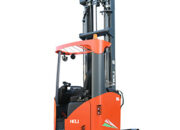
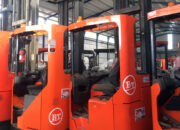
Where is the cheapest place to rent a forklift?

Where to rent a forklift with cheap prestige?

Your business is expanding its production and business scale, so you need to find or rent a forklift to increase productivity and create work efficiency, but you are wondering where to buy or rent to save costs and quality. and efficient operation with long service life.

Samcovina Joint Stock Company is a reliable address, long-term operation, has a high reputation in the industry and is convenient for customers to conveniently come for advice, choose and test cars directly at warehouses and yards. car in Binh Duong, Dong Nai, City. Ho Chi Minh.

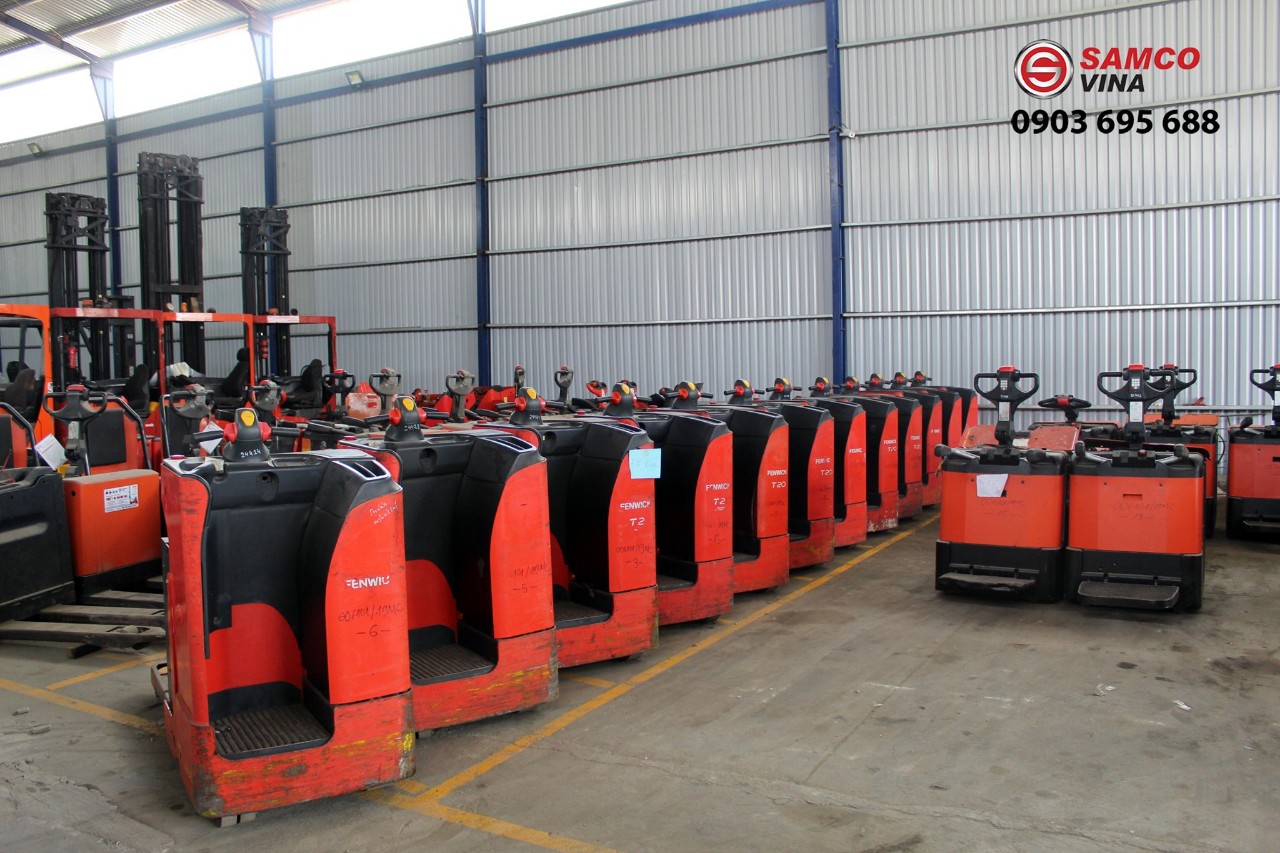
Why is Samcovina a golden address that anyone who needs to rent or buy a forklift should always visit even once? Because our forklifts are diverse in models and types, ranging from hand pallet trucks, forklifts, pallet trucks, reach trucks to large container forklifts and are completely imported directly from manufacturers. famous forklift company in the world. On the other hand, we have a large number of used and new forklifts available in all our 3 warehouses in Binh Duong, Dong Nai, TP. Ho Chi Minh City with a total warehouse area of ​​up to 8,000 square meters. This helps customers choose the right forklift for their business operations very quickly and conveniently in accordance with your budget.

Samcovina we not only sell and rent used forklifts, but we also sell and rent 100% new forklifts, imported complete units from Korea, Japan, USA, Germany and other European countries. . About our forklift rental service is very special that we not only rent long-term forklifts, but we also rent forklifts in short-term to solve your short-term work requirements.
xe nang coc

Samcovina has the largest number of forklifts for sale and rental in Binh Duong and Ho Chi Minh City, with thousands of forklifts ranging from 2 tons to 45 tons. The variety of brands, fuels, capacities, and payloads means you’ll have a better choice for your company. We guarantee that the forklift you rent or purchase will be delivered to you the same day or as soon as you sign the sale or rental agreement with no additional fees or waiting.

Our forklifts are all new within the last 5 years. This means you’ll get the latest engineering and design innovations. With a flexible rental period, we will provide a brand new forklift to suit your needs.

You can rent or buy a forklift from Samcovina company with complete peace of mind

Samcovina – “Old man” in the forklift sales and rental industry:

Samcovina Company has more than 14 years of experience operating in the field of selling and renting forklifts. As one of the companies with the largest number of forklifts for rent in Binh Duong, Dong Nai, and Ho Chi Minh City. Ho Chi Minh.

Our sales and rental consultants are technicians who are trained and knowledgeable in all types of forklifts. Each of us can head to help you evaluate the best forklift for your needs. If you have any questions about our products or what type of forklift might be right for you, feel free to contact us.

 ,

Leave a Reply

Your email address will not be published. Required fields are marked *

Related posts

  • Guide to Choosing Container Handling Forklifts

    Guide to Choosing Container Handling Forklifts In the modern logistics and warehousing industry, container handling forklifts play an indispensable role. These machines optimize the loading and unloading processes, significantly saving time and labor. This article will guide you on how to the most suitable container handling forklift for your business needs, ensuring operational efficiency and safety. Overview of Container Handling Forklifts Container handling forklifts are specialized equipment designed to lift, lower, and transport containers in ports, warehouses, and logistics centers. They are capable of handling heavy containers, facilitating quick and efficient cargo operations. Common types of container handling forklifts include: – Reach Stackers – Heavy Forklifts – Straddle Carriers The primary advantages of using container handling forklifts include increased productivity, reduced risk of cargo damage, and optimized storage space for containers. Factors to Consider When Choosing a Container Handling Forklift 1. Lifting Capacity: This is the most critical factor. You need to choose a forklift with a lifting capacity that exceeds the weight of the heaviest container you typically handle. 2. Maximum Lift Height: Determine the maximum stacking height for containers in your warehouse to select a forklift with appropriate lifting capabilities. 3. Engine Type: There are three main options—electric, diesel, and gas. Each type has its own pros and cons regarding operating costs, work capabilities, and environmental impact. 4. Size and Weight of the Forklift: Ensure that it fits within your workspace constraints and complies with your warehouse floor’s load-bearing capacity. 5. Safety Features: Prioritize models equipped with advanced safety systems such as collision sensors, cameras for visibility, and overload warning systems. 6. Maneuverability: Choose a forklift with a small turning radius and flexible movement capabilities to maximize efficiency in tight spaces. 7. Environmental Standards: Opt for models that meet the latest emission standards to minimize environmental impact and comply with regulations. Assessing Usage Needs Before making a decision, conduct a thorough assessment of your usage needs: – Volume and Frequency of Work: Determine how many containers you need to handle daily along with their average weight. – Working Environment: Consider whether your operations are indoors or outdoors as well as the surface type (concrete, asphalt, or dirt) to choose suitable tires and engine types. – Operating Costs & Maintenance: Calculate fuel costs, routine maintenance expenses, and repair costs for an overview of long-term financial implications. Comparing Brands and Models Reputable brands in the container handling forklift market include Kalmar, Hyster, Konecranes, and Liebherr. Each brand offers unique advantages in technology, durability, and after-sales service. When comparing different models of container handling forklifts pay attention to: – Work performance – Reliability & lifespan – Fuel consumption – Maintenance costs – Safety features & operator comfort Prices for container handling forklifts can range from several thousand dollars to over a million dollars depending on their capacity and features. Steps for Selecting a Container Handling Forklift 1. Create a List of Specific Requirements: Clearly define your needs regarding capacity, lift height, working environment, and budget. 2. Research & Compare Models: Gather information from manufacturers’ websites; read reviews from users as well as industry experts. 3. Consult Experts: Reach out to dealers or consultants for detailed guidance on suitable models. 4. Inspect & Test Drive Forklifts: If possible, operate different models firsthand to evaluate performance and driving comfort. Usage & Maintenance Tips for Container Handling Forklifts 1. Train Operators: Ensure that operators receive comprehensive training on driving techniques and safety protocols. 2. Adhere to Safety Regulations: Establish strict safety procedures within your operational area. 3. Schedule Regular Maintenance: Develop a detailed maintenance plan adhering strictly to schedules for optimal performance. 4. Monitor for Abnormal Signs: Train staff to recognize signs indicating maintenance or repairs are needed such as unusual noises or oil leaks. Trends in Container Handling Forklifts The forklift industry is witnessing numerous innovations: – New Technologies: Integration of AI (Artificial Intelligence) and IoT (Internet of Things) enhances operational efficiency. – Clean Energy: A growing trend towards electric or hybrid forklifts reduces emissions while lowering operating costs. – Smart Management Systems: Incorporation of fleet management software helps track performance metrics effectively while planning maintenance schedules. Conclusion Choosing the right container handling forklift is crucial for ensuring long-term operational efficiency within your business. By carefully considering factors such as lifting capacity, working environment conditions, operating costs along with technological trends; you can make an informed decision that best suits your needs. Remember that investing in high-quality container handling equipment will yield long-term benefits in productivity,safety,and cost savings!

  • ac-qui-xe-nang Measures to improve the life of forklift batteries

    How to extend the life of forklift batteries? The electric forklift charger when charging needs to be equipped with a meter that displays the vehicle lights in normal circumstances. When the battery power drops from 70% to 100%, that is also the best charging time. When the electric forklift’s power source is short, it must […]

  • vo lop cho xe nang cont Container Handler Tires: A Guide to Choosing and Comparing Pneumatic vs. Solid Tires

      Types of Container Handler Tires: An Expert Guide to Pros, Cons, and Selection In the bustling environments of seaports, depots, and logistics centers, container handlers (Reachstackers) are the backbone of the entire operation. Operating continuously under loads of tens of tons, every component of these machines plays a critical role. Among them, the tires—the […]

  • xe-nang-container-ban Comparison between Buying and Renting Container Forklifts

    Comparison between Buying and Renting Container Forklifts 1. Benefits of Buying a Container Forklift compared to Renting – Lower initial cost: When buying a container forklift, the initial cost will be lower compared to renting. Users only need to make a one-time payment and own the container forklift. – No time limitation on usage: When buying a forklift, users are not limited by time. They can use the container forklift for as long as necessary without worrying about returning it after a certain period. – Decision-making power for upgrades and repairs: When buying a forklift, users have the freedom to decide on upgrades or repairs according to their needs and preferences. – Depreciation of assets for tax reduction: Buying a container forklift allows users to depreciate the asset for tax reduction, helping save costs in business operations. 2. Benefits of Renting a Container Forklift compared to Buying – No large upfront investment: When renting a container forklift, users do not need to make a large upfront investment like when buying. Instead, they only need to pay monthly or yearly rental fees. – Reduced risk when business models change: Renting a container forklift helps reduce risks when business models change. If there is a need to change scale or type of business, users can easily switch to using the appropriate type of forklift without financial difficulties. – Reduced regular maintenance costs: When renting, users do not have to worry about regular maintenance and servicing of the forklift. These costs will be covered by the rental company. – Always using the latest forklift technology: When renting, users always have access to the latest and most advanced container forklifts in the market. This helps increase work efficiency and reduces the risk of breakdowns. 3. Comparison of cost factors between both options – Initial purchase/rental cost: When buying, users have to pay a large upfront amount to own the container forklift, while renting only requires a small rental fee or deposit. – Fuel costs: Both options have fuel costs for operating the container forklift. However, these costs may vary depending on the type of forklift and level of usage. – Regular maintenance costs: When owning a forklift, users have to bear the regular maintenance and servicing costs. On the other hand, when renting, these costs are covered by the rental company. – Insurance costs: When owning a forklift, users need to purchase insurance for the vehicle and driver. When renting, the rental company already has insurance coverage for their fleet. – Replacement parts costs: When owning a forklift, users have to provide and pay for replacement parts when necessary. When renting, the rental company takes responsibility for this. 4. Analysis of factors when making a decision to buy or rent a container forklift – Usage needs: Users need to consider their long-term or short-term usage needs of the container forklift to decide whether to buy or rent. – Available budget: Users need to consider their current budget to decide whether they have enough funds to buy or only rent a forklift. – Long/short-term business strategy: Users need to consider their long-term or short-term business strategy to decide whether buying or renting is more suitable for their container forklift needs. Trusted Sales and Rental Address of Container Forklifts in Binh Duong Are you in need of renting or buying a container forklift in Binh Duong but unsure of any reputable and quality addresses? Let Samcovina Joint Stock Company help you! Samcovina currently has a diverse range of container forklifts in various types and models. Customers can choose from electric-powered, diesel-powered, or pneumatic-powered forklifts that suit their job requirements. Our experienced team of technicians is always ready to advise and support customers in the selection process. In addition, Samcovina provides competitive rental services for container forklifts. Customers can rent on a daily, weekly, or monthly basis, offering flexibility and cost savings. We guarantee the quality and safety of the container forklifts for each customer. Moreover, Samcovina offers maintenance and repair services for container forklifts. Our professional team of technicians is ready to assist with any related issues. We use genuine replacement parts and adhere to strict inspection procedures to ensure the quality of our work. With the goal of customer satisfaction, Samcovina not only provides sales and rental services for container forklifts but also supports customers in choosing the most suitable type of forklift. Contact Samcovina today for consultation and detailed pricing. SAMCOVINA JOINT STOCK COMPANY Tax Code: 0313121108 Address: No. 3 Street 1, Song Than Industrial Zone, Di An Ward, Di An City, Binh Duong Province, Vietnam Email: info@samcovina.com

  • hu-thuy-luc-xe-nang Common Hydraulic System Failures in Forklifts and How to Handle Them

    Here are some common failures in the hydraulic system of forklifts and the corresponding repair solutions: 1. Oil leakage: Oil leakage is a common issue in hydraulic systems. The causes can be a broken hose, poor sealing, or damaged components. To repair, identify the cause of the leakage and replace the damaged parts or repair the hose. 2. Loss of pressure: If the forklift does not have enough pressure to lift or hold loads, it may be due to a malfunctioning control valve or other issues in the system. Check and repair the control valve, inspect other components such as pumps, relief valves, and hoses to find the cause of pressure loss. 3. Inoperability: Forklifts may not operate due to various reasons, including a non-starting motor, malfunctioning control valve, or damaged components. Inspect and repair any faulty components, check power supply, and ensure all electrical connections are correct. 4. Unusual noise: If you hear strange noises from the hydraulic system, there may be issues with the pump, valve, or hoses. Inspect and repair any damaged or worn-out components and ensure all hoses are securely connected. 5. System instability: If the forklift cannot maintain its position or oscillates while lifting loads, it may be due to a malfunctioning relief valve or improperly adjusted pressure. Check and repair the relief valve, inspect pressure levels, and adjust if necessary. 6. Loss of lifting function: If the forklift cannot lift or lower loads properly, it may be due to a malfunctioning control valve or pump. Check and repair the control valve, inspect the pump and other components to determine the cause of loss of lifting function. 7. Slow response or unresponsiveness: If the forklift moves slowly or does not respond when controlled, it may be due to a stuck control valve or pump issues. Check and clean the control valve, inspect the pump and other components to resolve this issue. 8. Excessive pressure: If the pressure in the hydraulic system is too high, it can cause oil leakage or damage other components. Check and adjust the pressure in the system according to manufacturer’s instructions. 9. System vibration: If the forklift vibrates while moving or lifting loads, it may be due to worn-out or loose components. Inspect and repair any damaged components, ensuring all connections are tightened. 10. Instability during lifting: If the forklift cannot maintain its position or is unstable while lifting loads, it may be due to a malfunctioning relief valve or control valve. Check and repair the relief valve, inspect the control valve, and adjust if necessary. 11. Instability during movement: If the forklift is unstable or skids during movement, it may be due to steering system or wheel issues. Inspect and repair the steering system, check and adjust wheels to ensure safe and stable forklift movement. 12. Loss of control: If you cannot control or maneuver the forklift accurately, it may be due to a malfunctioning control system or steering component. Inspect and repair any faulty components, check and adjust the control system for optimal control ability. 13. Overheating: If the hydraulic system becomes excessively hot after a period of use, it may be due to insufficient oil flow or ineffective cooling. Check and clean oil filters, inspect and adjust oil flow to keep the hydraulic system working well without overheating. 14. Inconsistent operation: If one part of the hydraulic system operates inconsistently compared to others, it may be due to a malfunctioning control valve or damaged component. Check and repair the control valve, inspect and replace any faulty components to ensure consistency in system operation. 15. Inoperability after a period of use: If the forklift does not operate after a period of use, it may be due to worn-out components or the need for lubrication. Inspect and repair any damaged components, lubricate necessary parts to ensure the system always operates well after each use. 16. Inoperability after startup: If the forklift does not operate after startup, it may be due to weak batteries or electrical system issues. Check and recharge batteries, inspect and repair electrical components to ensure the system operates well after startup. 17. Unresponsiveness when lifting loads: If the forklift does not respond when attempting to lift a load, it may be due to a malfunctioning control valve or pump. Check and repair the control valve, inspect and replace the pump if necessary to ensure proper operation when lifting loads. 18. Inoperability after a collision: If the forklift experiences a strong collision and then does not operate, it may be due to damaged components or lost connections. Inspect and repair any damaged components, reestablish connections if necessary. By addressing these common hydraulic system failures in forklifts promptly and effectively, you can ensure smooth operations and maintain safety in your workplace.